We own a house in the Pyrénées-Orientales, in Sainte-Marie-la-Mer, and by now I can say it plainly: it suits us well. Better than we dared hope when we bought.
Even so, this is not the piece where I tell you to come and look here too.
Look at this first. A house in the Alpes-Maritimes, around Nice and Cannes, costs on average €5,671 per square metre. On the same Mediterranean, a few hundred kilometres west, you pay €2,963 here (MeilleursAgents, 1 September 2026). Almost half. Anyone who sees that gap starts looking for the catch, and there is one. It just isn’t where most buyers look.
So here is what this area is, what it isn’t, and the two things we only found out once we were already here.
Why we chose it
- The climate. Warm summers with a breeze, winters that often stay above ten degrees, and pleasant weather from March to November.
- Sea and mountains together. The beach in the morning, and ski resorts such as Font-Romeu and Les Angles within about an hour and a half.
- The Catalan character. Warm, welcoming, and noticeably different from the rest of France.
- Spain next door. Barcelona and Girona are an easy day out.
This is Catalonia, and that is not folklore
- The signs are bilingual. Perpignan is also Perpinyà.
- The flag on the houses is yellow with red stripes, not blue, white and red.
- At midsummer, Sant Joan, a flame is brought down from the top of the Canigou, the 2,784-metre mountain that dominates the whole département, and carried to the villages in the valley. That is not an event for tourists. That is a region explaining who it is.
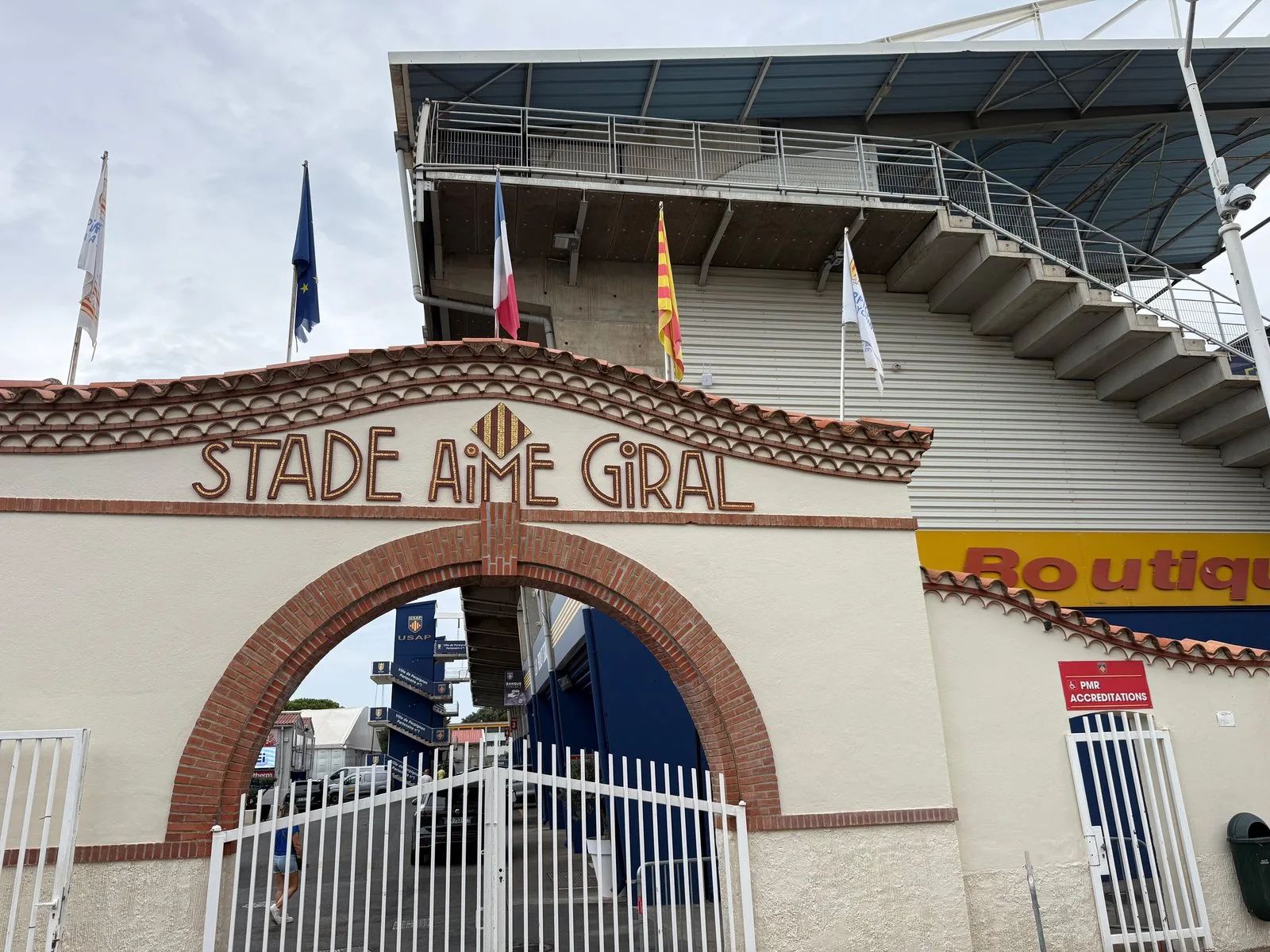
For you as a buyer that has a practical side. You are not moving to “the south of France” with olive trees, lavender and a Provençal market. You are moving to an area with its own language, its own cooking and its own relationship with Spain, which starts half an hour down the road. If that appeals, you will love it here. If you wanted the Provence postcard, you will be disappointed.
The coast is really two coasts
North of Argelès: the sandy coast. Le Barcarès, Sainte-Marie-la-Mer (where we are), Canet-en-Roussillon, Saint-Cyprien and Argelès-sur-Mer itself.
- Wide beaches, lots of flats and campsites, lots of building from the 1970s and 1980s.
- Full in August, quiet in January, and that difference is bigger than you can feel at a viewing in May.
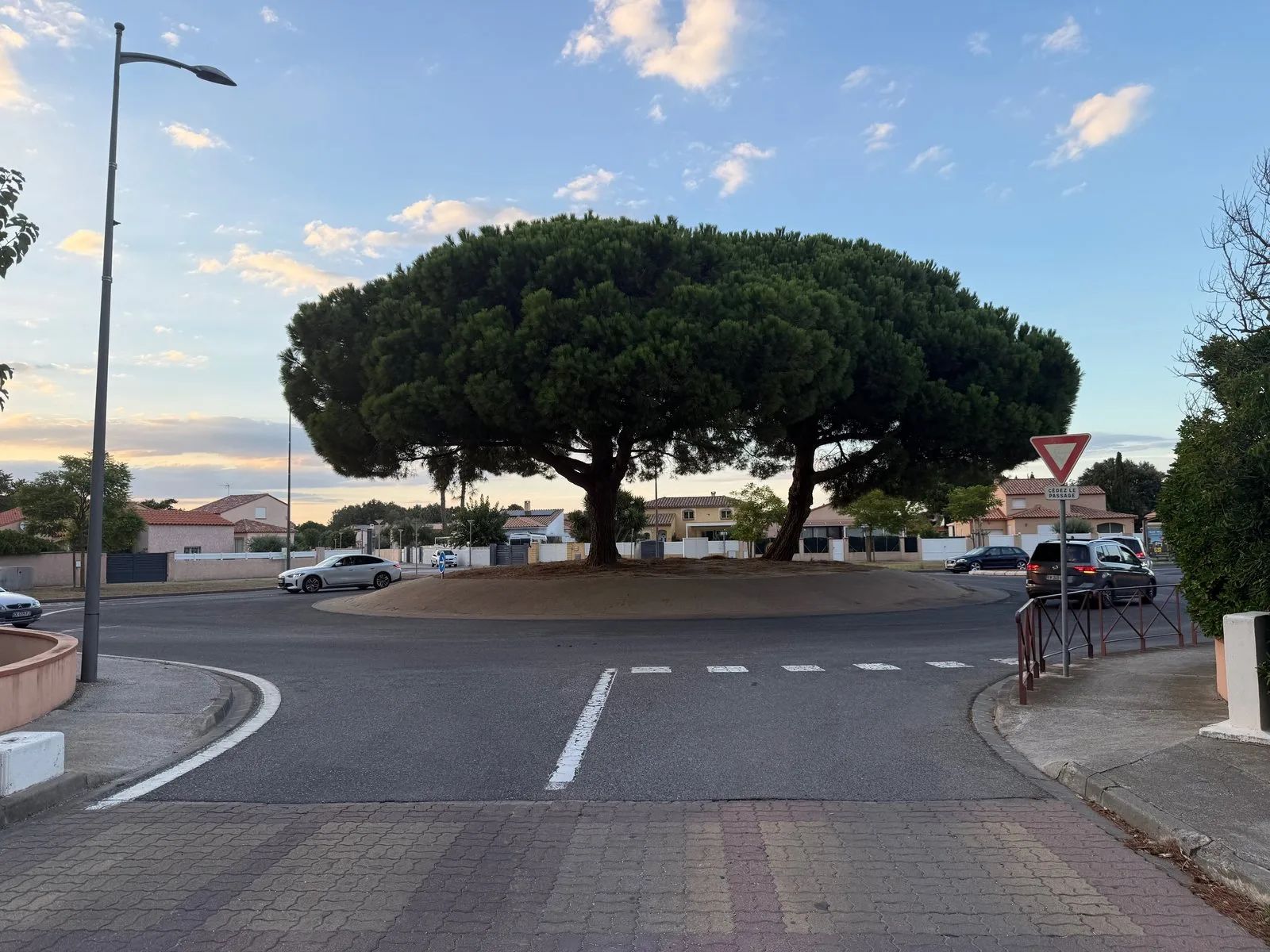
South of Argelès: the Côte Vermeille. Here the Pyrenees run into the sea, the coast turns rocky and the villages sit in bays.
- Collioure, where Matisse and Derain invented Fauvism in 1905 because the light did something there it did nowhere else.
- Port-Vendres, still a working harbour.
- Banyuls-sur-Mer, of the sweet wine and the sculptor Aristide Maillol.
- Cerbère, the last village before the border, which grew because French and Spanish trains ran on different gauges and everything had to be transferred there.
That second coast is prettier, more expensive and thin on houses for sale. Collioure sells itself. Don’t count on département averages there.
Perpignan is a real city, with everything that comes with it
Plenty of buyers want to be “near Perpignan” without ever having spent a week there. Do spend one.
- The good: a hospital, schools, a university, a TGV station, daily markets and an old centre with the Castillet and the Palace of the Kings of Majorca. Life, twelve months a year. Exactly what a coastal village doesn’t give you in January.
- The less good: it is also a city with poverty, with neighbourhoods where you shouldn’t buy blind, and with unemployment among the highest in France. That is part of the reason you pay half of what Cannes costs.
Walk the street where you want to buy three times at three different moments, and make sure one of them is a Sunday evening in November.
Lesson one: the tramontane
The tramontane is a dry, strong north-westerly wind squeezed through the gap between the Pyrenees and the Corbières towards the sea.
- The upside: it clears the air, keeps humidity low and keeps the mosquitoes away.
- The downside: it wrecks your parasol, your awning and your terrace plants, and after three days it starts to wear on your mood.
This is not a reason not to buy. It is a reason to ask at a viewing which side the house catches the wind from, and whether that lovely terrace is sheltered or exactly in the firing line. At our viewing we looked at the view. We didn’t look at the wind direction.
Lesson two: water, and this is the real catch
The Pyrénées-Orientales has been in drought since 2022, and it has not been one bad summer.
- In summer 2026 the Aspres area, 23 communes, was again at the highest level, “crise”, under the prefecture’s July order, with other zones on alert. The latest order dates from 11 September 2026.
- In practice that means, depending on the level: no filling private pools, watering restricted to certain hours or banned, limited car washing. Fines run to €1,500.
- That hits exactly the things a second home is bought for.
So this is the question you ask, at the mairie and not the agent, before you make an offer: which zone is this commune in, what restrictions apply now, and what applied in the last three summers? You can also look up any commune on vigieau.gouv.fr, and the prefecture publishes every order online.
Getting here from the UK and Ireland
- Perpignan airport: seasonal Ryanair flights from London Stansted, Birmingham and Leeds Bradford, and Aer Lingus from Dublin. Jet2 has announced Manchester from May 2027.
- Girona and Barcelona: far more routes, many all year, then a drive across the border.
- Carcassonne and Béziers: more seasonal Ryanair flights, a bit over an hour’s drive away.
- By train: Eurostar to Paris, then a direct TGV to Perpignan in about five hours at best.
- By car: a long two-day drive from the Channel ports.
Flight schedules change every season, and several French regional routes were cut in winter after France raised its air ticket tax in 2025. Work it out honestly once, including how often a year you want to come. That sum changes more decisions than whether the house is pretty.
Who this area works for
- For people who want the sea, are happy to have the mountains too, don’t mind Spain round the corner and aren’t expecting a Provençal village.
- For people who want their budget to buy square metres rather than a postcode.
- For people willing to ask the water question before it gets fun, rather than finding out in July that the pool stays empty this year.
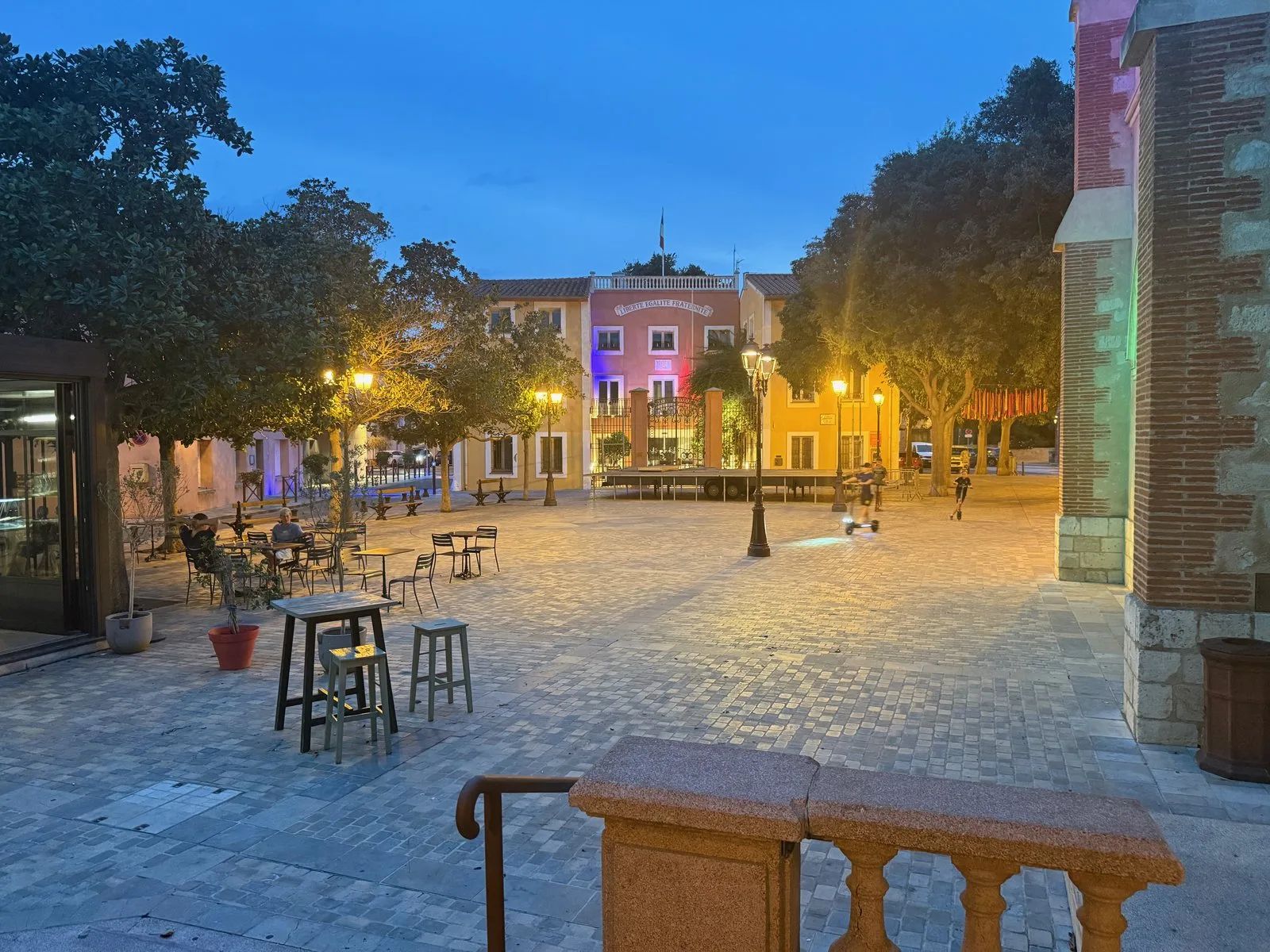
We bought here and would do it again. But not because it was cheap. The area costs half as much as the Côte d’Azur, and that is not a bargain. It is a price with a story, and you can find out that story before you sign.
Not sure yet whether this is your region? Try the region finder: eight questions, three regions that suit you. Going to viewings? Take the viewing checklist, and use the buying costs calculator to work out what a house really costs, including the notaire.
Prices: MeilleursAgents, 1 September 2026. Drought measures: Préfecture des Pyrénées-Orientales, orders of July and 11 September 2026. Flights: airport and airline announcements, summer 2026. Background on the Côte Vermeille and Catalan Roussillon partly inspired by Détours en France no. 274, September 2026.